Hearing loop installation and testing
Half the loops we assess don't meet the standard. Ours are modelled, installed, certified — and they work for the people who depend on them.
Hearing loop systems that actually work
There's a legal and moral obligation for all venues to provide facilities for those with hearing difficulties. On average, 50% of the venues we assess — from churches to concert venues — have loop systems that either don't work at all or significantly under-perform. A properly working system transforms the listening experience.
Under the Equality Act 2010, service providers are required to make 'reasonable adjustments' to accommodate disabled service users, including those who wear hearing aids. The code of practice for loop systems is set out in BS 7594-2011 and the performance standard in BS EN 60118-4.
We have installed a huge diversity of systems — from straightforward perimeter loops to multiple arrays with cancellation zones in multi-screen cinemas, and just about every permutation in between. As accredited designers and installers, we ensure every system is fit for purpose and appropriately certified.
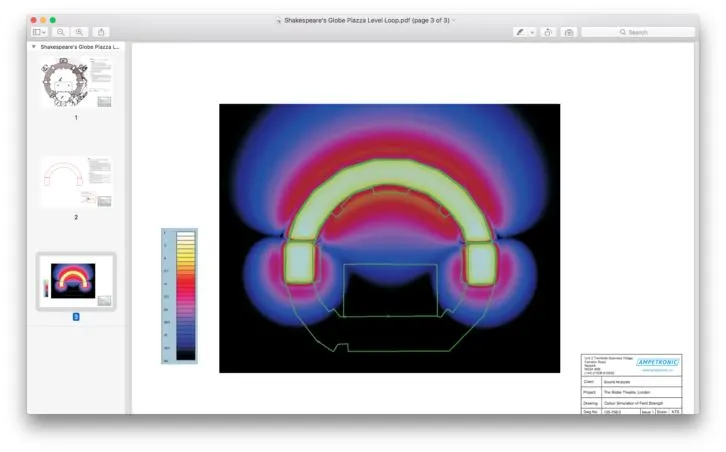
Pictured: loop field-strength simulation for Shakespeare's Globe, London. Read the case study →
Why so many loops don't work
Whilst the concept of a loop system is fairly straightforward, correct application can be anything but.
Metal in the building
Structural steel, reinforced concrete and metal-framed floors in the same plane as the loop absorb the field. These buildings need a phased or figure-of-eight array rather than a simple perimeter loop.
Interference
Incorrectly fitted systems interact with PA and video equipment; electric guitars and backline amplification are very susceptible to interference. The loop has to be designed alongside the sound system, not bolted on afterwards.
Uneven coverage
Stone floors and large spaces produce dead spots and hot spots. We model field strength before installing so coverage is even across the whole seating area.
Spill where it isn't wanted
Adjacent rooms, musicians' galleries and confidential spaces need the field contained — cancellation designs keep the signal where the listeners are.
Never commissioned
Many loops were switched on and never measured. A loop that has not been certified to BS EN 60118-4 cannot be assumed to work.
No one checks it
Loops drift and get disconnected. We include a simple test routine and a receiver so staff can confirm it is working before every service or event.
What we do
Assessment
A visit with a field-strength meter and a report that tells you plainly whether the existing loop meets the standard, and what it would take if it doesn't.
Design
Loop layout and amplifier specification modelled for your building, integrated with the sound system and any video or streaming equipment.
Installation and certification
Installation, commissioning to BS EN 60118-4, a certificate for your records and the correct signage for visitors.
Related case studies
Projects where this is exactly what we did.

Shakespeare's Globe, London
A redesigned hearing loop for one of the world's most famous theatres — optimised field strength, minimal spill onto the musicians' gallery.
Read case study →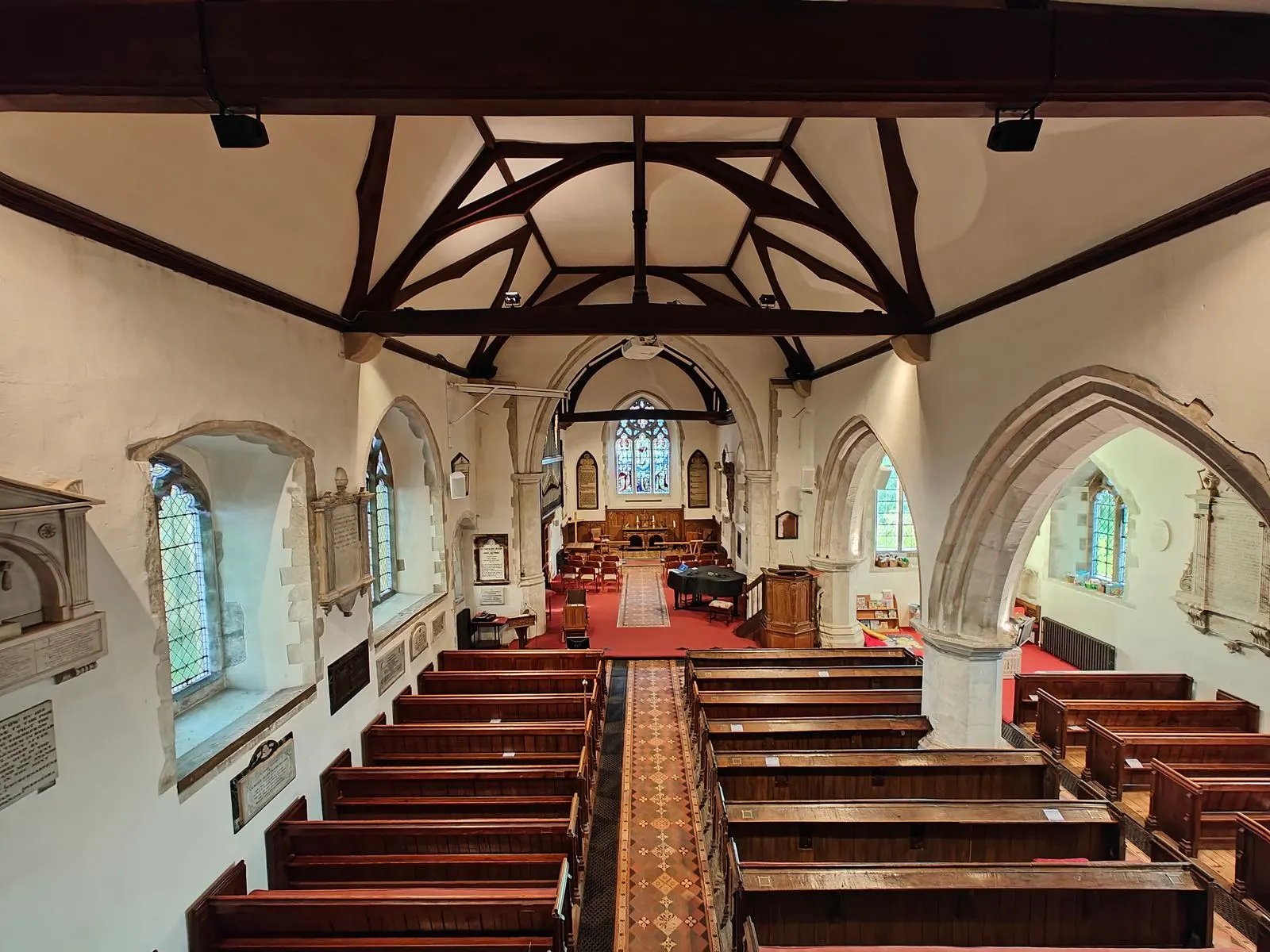
St Peter's Church, Old Woking
A complete system for a Grade I listed church, hearing provision included.
Read case study →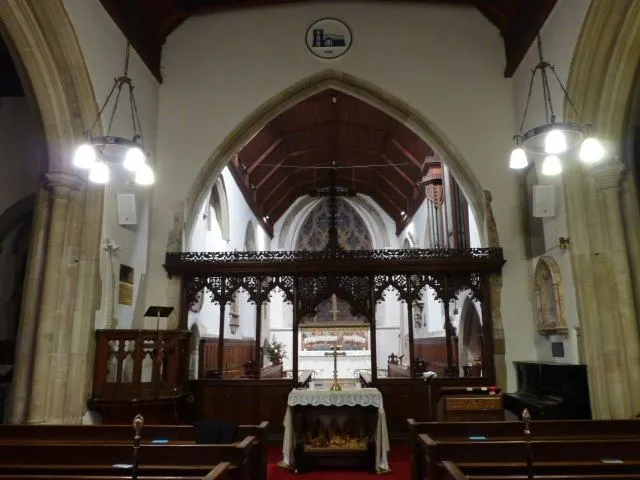
St Mary's Church, Oxted
Speech and music system for a 1,000-year-old church.
Read case study →Get your loop assessed
Andy and the team would be happy to visit your venue and talk through the options.
Email andy@soundanalysts.co.uk Call 01483 715300