Design, Installation and Project Management
From simple speech reinforcement to fully processor-controlled solutions — the right system for the venue, the acoustics and the people who use it.
30 years of installed sound
The Sound Analysts team has 30 years' experience in designing and installing sound systems in churches of all sizes and denominations, and our projects team has been behind some very high-profile installations.
In 2014, MD Andy Callin collected an award on behalf of clients for the Best Installed Sound Project at the Pro Sound News Awards for the new auditorium sound system in the Royal Albert Hall. In 2018, when the venue created a new in-house sound department, Andy was part of the decision-making team selecting the manufacturer for this prestigious installation. It's not size that matters though — it's about getting the right solution for the job.
We provide professional advice on all aspects of installed PA and hearing assistive systems, guiding clients through the myriad of choices, using our experience to provide the best value and the solution that delivers the best listening experience.
Why Choose Sound Analysts?
Analytical Solutions
Designs based on measurement and the real acoustic environment of your venue.
Best-Value Equipment
Recommendations that deliver the best solution and listening experience for the budget.
Full Faculty Support
Complete support through faculty and approval processes for listed and church buildings.
Church sound systems and upgrades
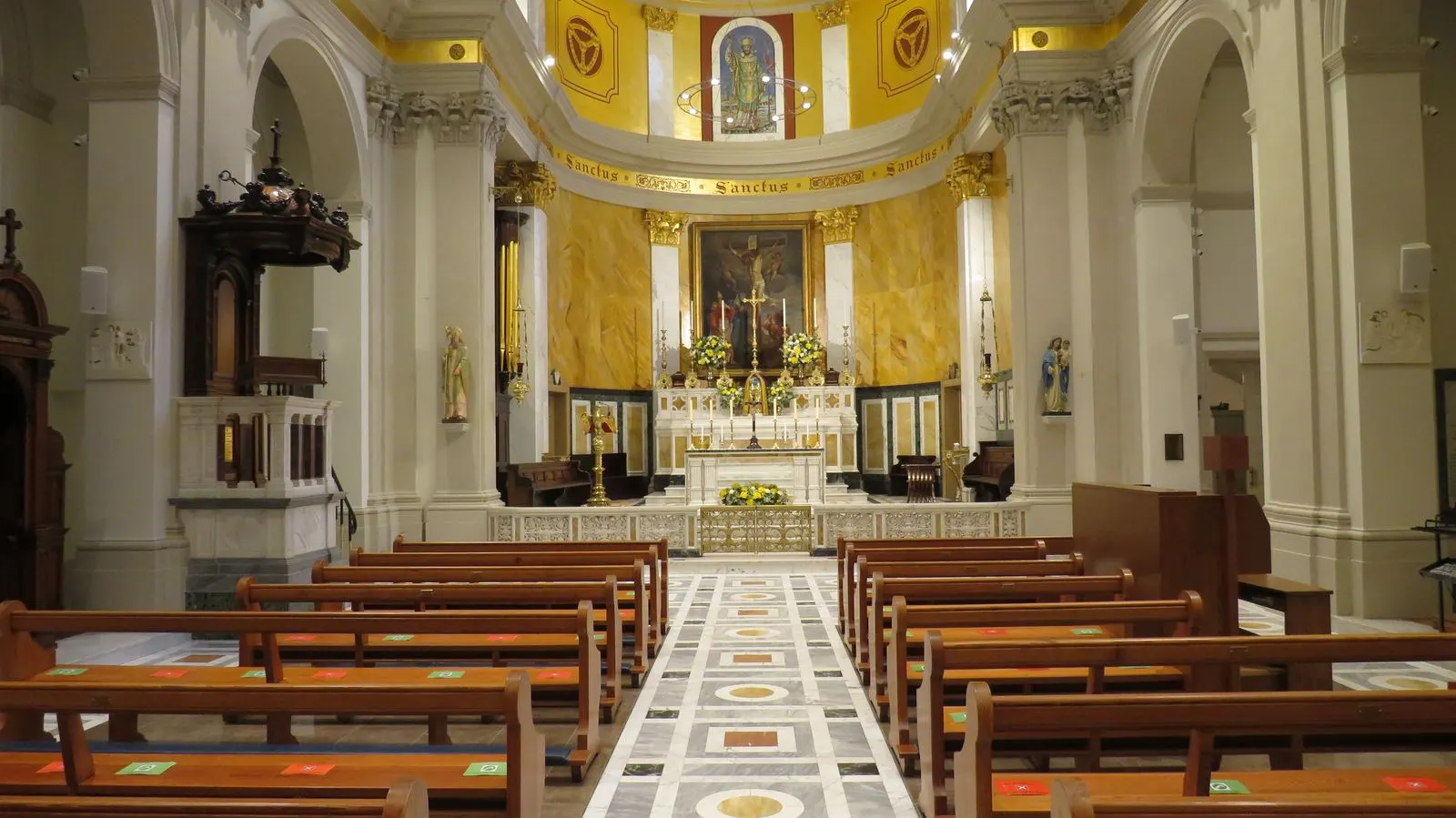
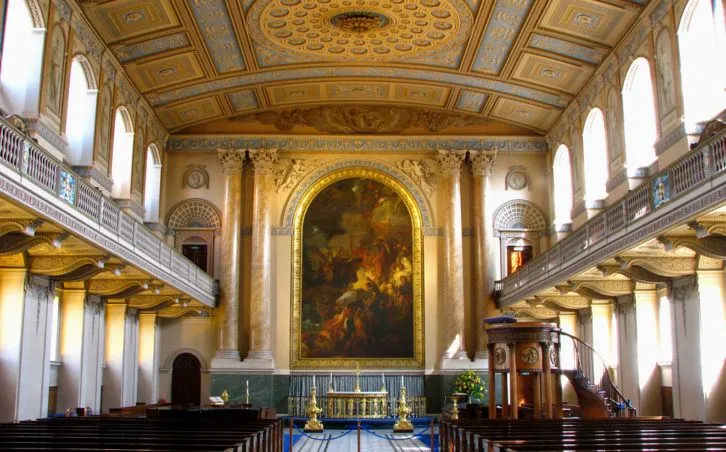
From a single lectern microphone to a full worship-space system with band and streaming — designed from measurement, discreet in historic buildings, supported through faculty approval. Not every church needs a new system: we often upgrade the parts that matter and keep what still works.
Hearing loop systems that actually work
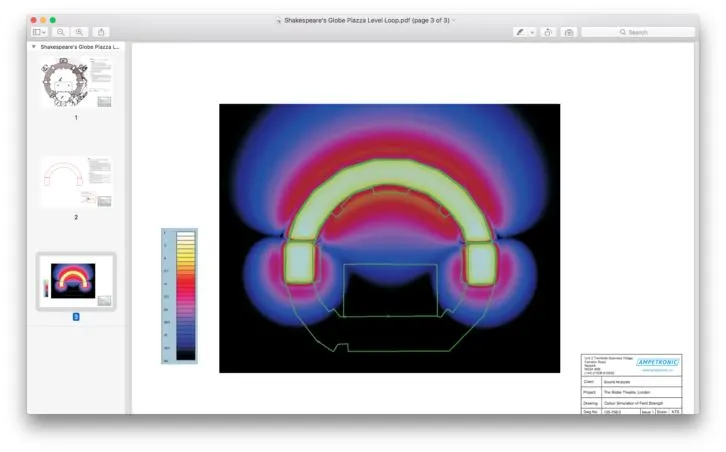
Half the loops we assess don't meet the standard. We design, install and certify induction loops to BS 7594 / BS EN 60118-4 — perimeter loops, phased arrays for buildings with structural metal, and cancellation designs where spill matters.
Design & installation of acoustic treatment
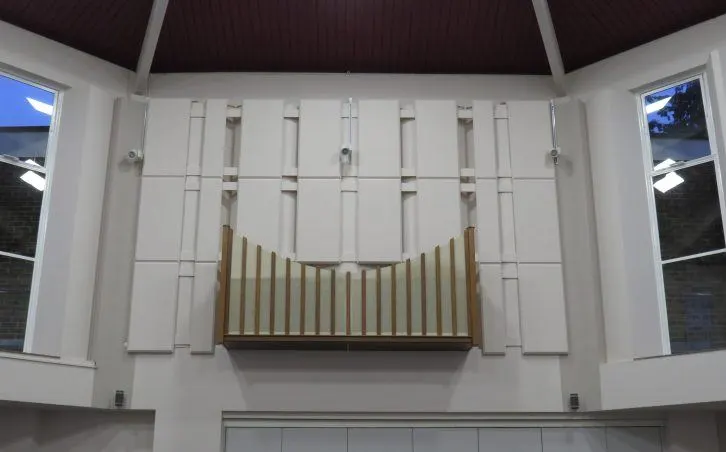
Echoey halls, reverberant churches, noisy offices and restaurants: measured reverberation, specified panel coverage, finishes that suit the building — and a room where every sound system works better.
Case Studies
A selection of recent installation projects.
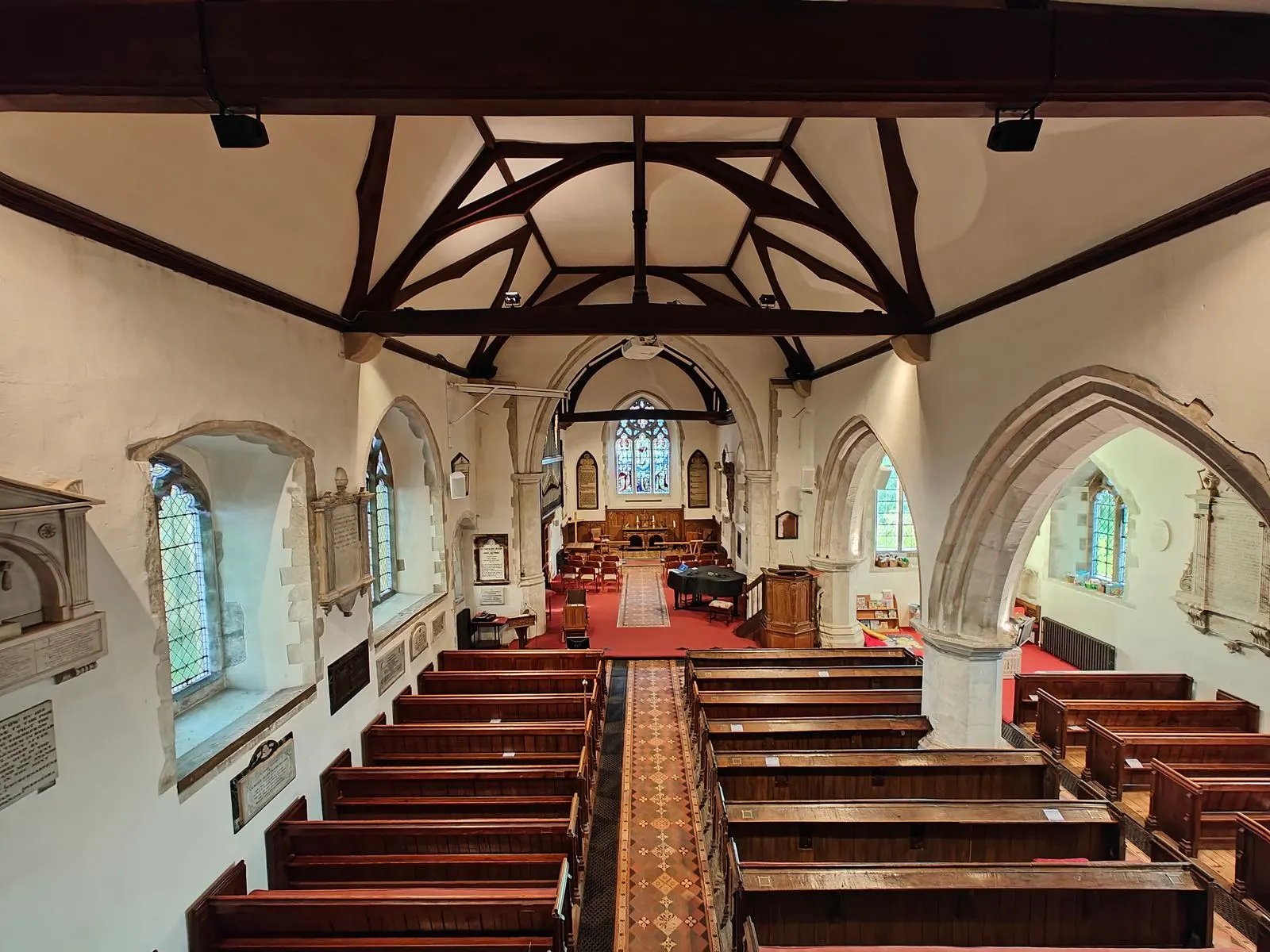
St Peter's Church, Old Woking
A state-of-the-art audio installation for a Grade I listed 12th-century church.
Read case study →
Shakespeare's Globe, London
A redesigned hearing loop for one of the world's most famous theatres.
Read case study →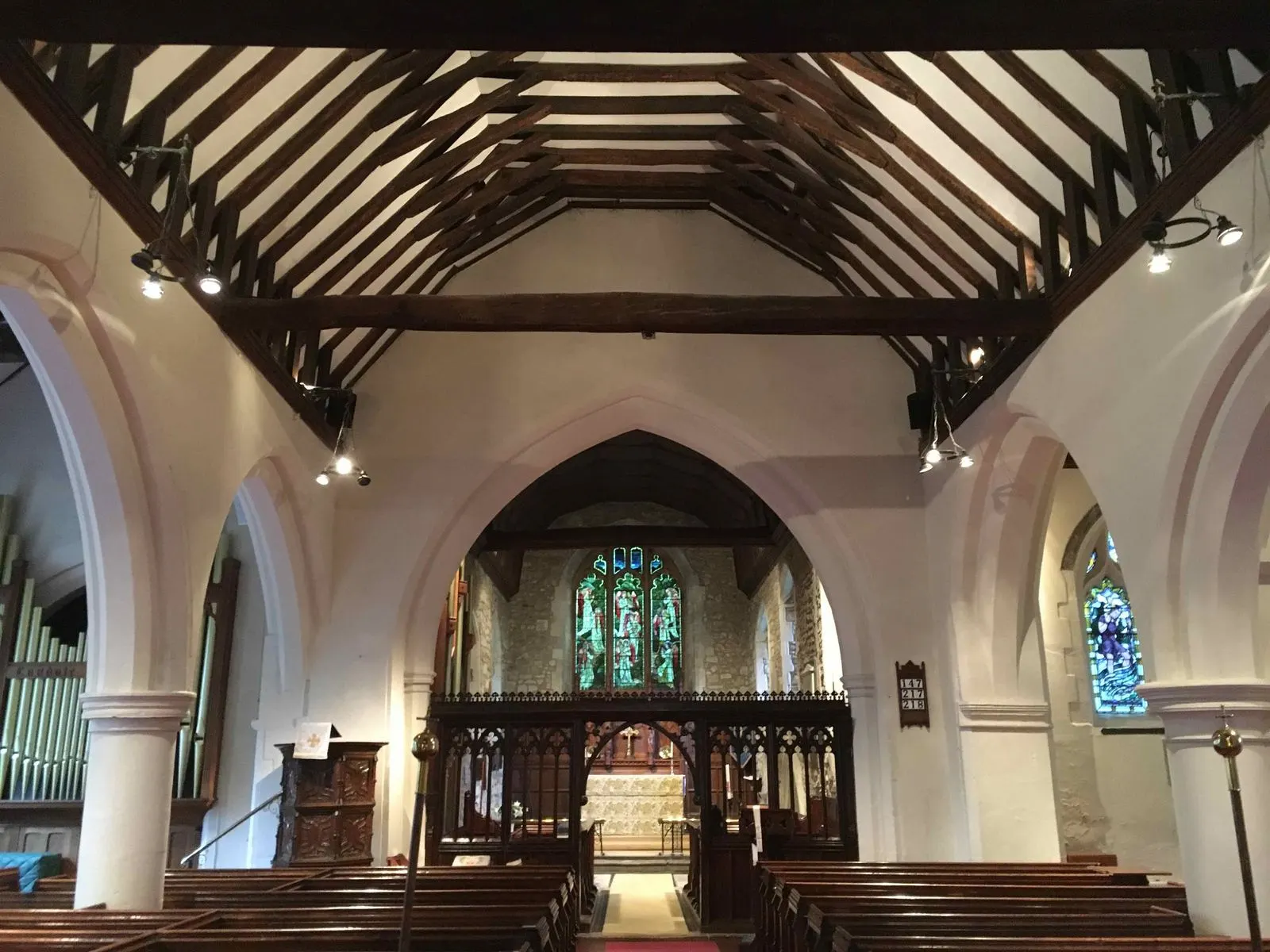
All Case Studies
Churches, theatres and venues across the South East.
View all →Discuss an installation project
Andy and the team would be happy to visit your venue and talk through the options.
Email andy@soundanalysts.co.uk Call 01483 715300